
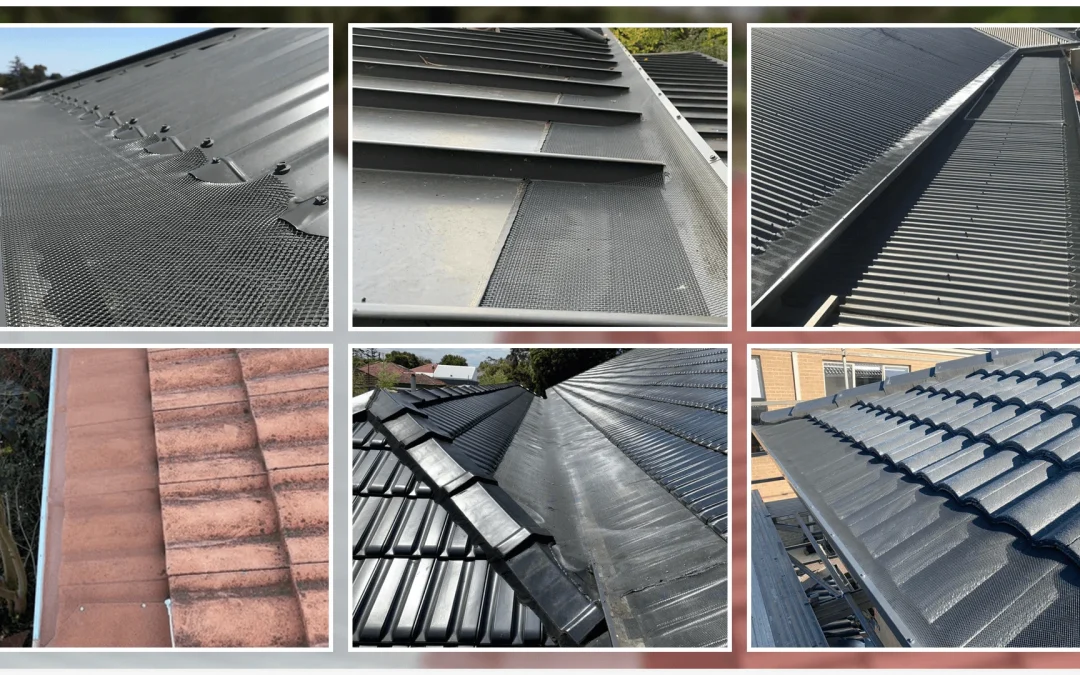

Every year, a lot of homeowners wait until the first real downpour to think about their gutters.
I’ve seen this pattern too many times. The leaves were “not that bad.” The birds in the roof were “probably nothing.” The small overflow near the patio was “just one weird storm.” Then winter arrives, the rain gets serious, and suddenly a small maintenance issue turns into a wet wall, a stained fascia, or a ladder job nobody wanted to do in cold weather.
That is the real reason this decision matters before winter, not during it.
In southern Australia, the wetter stretch of the year typically runs from April to November, and Victoria’s fire-prep advice also treats leaf-filled gutters as a real risk, not a cosmetic one. So, if your gutters have been giving you hints, this is the time to pay attention.
1. Your gutters overflow in even moderate rain
This is usually the first sign people notice, and also the one they downplay the most.
If rain starts spilling over the front edge of the gutter instead of moving cleanly to the downpipe, something is already restricting flow. Sometimes it is obvious leaf build-up. Sometimes it is the finer stuff: gum leaves, twigs, seed pods, dirt, sludge. The point is the same. Your gutter is no longer doing its job when the weather gets serious.
And here is the honest bit: many homeowners think overflow only matters in a storm. It does not. Repeated overflow can stain external walls, soak fascia boards, dump water where it should not go, and create the sort of annoying, expensive repair trail that never feels worth it in hindsight.
This is exactly where a leaf guard starts making sense. Not because it makes your roof maintenance-free, but because it helps stop the volume of debris that causes routine winter choking in the first place.
2. You are cleaning your gutters more than you think you should
If gutter cleaning has quietly become part of your seasonal routine, that is not “just homeownership.” That is a system telling you it needs help.
One thing I see a lot in service content is the idea that cleaning gutters once in a while is no big deal. In real life, it becomes a pattern. One clean before winter. Another after wind. Another because the downpipe is slow again. Another because the patio started dripping near the corner.
That cycle is exactly why people start looking into leaf guard installation Melbourne services. Not because they love spending money on their roof, but because they are tired of repeating the same job.
A good article should say this plainly: the best outcome is not zero maintenance. It is lower maintenance, fewer blockages, and less risk when winter rain hits. CPR’s own content makes the same broad point repeatedly.
3. You have gum trees, fine leaf litter, or constant debris around the property
Not all roof debris is the same. That is one of the biggest things generic blogs get wrong.
Big obvious leaves are one problem. Fine gum leaves, blossom, bark, needles, and gritty roof debris are another. Homes near eucalyptus growth often deal with the annoying kind of debris that looks harmless until it mats down, clings to damp surfaces, and slowly gums up gutters and valleys.
That matters because leaf guard for gum leave problems is not really about one giant blockage. It is about persistent fine debris that builds up faster than most people expect. CPR’s own materials specifically point to mesh-style protection as helpful for smaller debris such as gum leaves.
If your home is surrounded by trees and your gutters never seem to stay clear for long, that is a strong signal the problem is structural, not just seasonal.
4. You are hearing birds, scratching, or movement near the roofline
A lot of people think of leaf guard as purely a leaf problem. It is not.
When gutters and roof edges collect debris, they also become a welcoming place for birds and other pests. Nesting material builds up fast. Moisture hangs around. Entry points become more attractive. Then you start hearing movement in the early morning or at night and suddenly the issue is no longer “my gutters are messy.” It is “something has moved in.”
This is one reason homeowners who originally search for leaf gutter guard often end up asking about bird proofing too. CPR explicitly markets leaf protection and bird proofing together, and its site currently claims its gutter guard is 99% effective at protecting gutters from leaves and 100% effective in bird proofing, while also saying it suits almost all existing gutters and roof types.
That combination matters. Because the right system should not only reduce build-up. It should also make the roofline less inviting for pests.
5. You have a tiled roof or a metal roof and keep wondering, “Will this even work on mine?”
This objection is more common than people admit.
People do not usually say, “I do not believe in leaf guard.” What they say is, “My roof is a bit tricky,” or “I have tiles,” or “Mine is metal, not standard,” or “I do not want something that looks wrong or causes problems later.”
Fair concern.
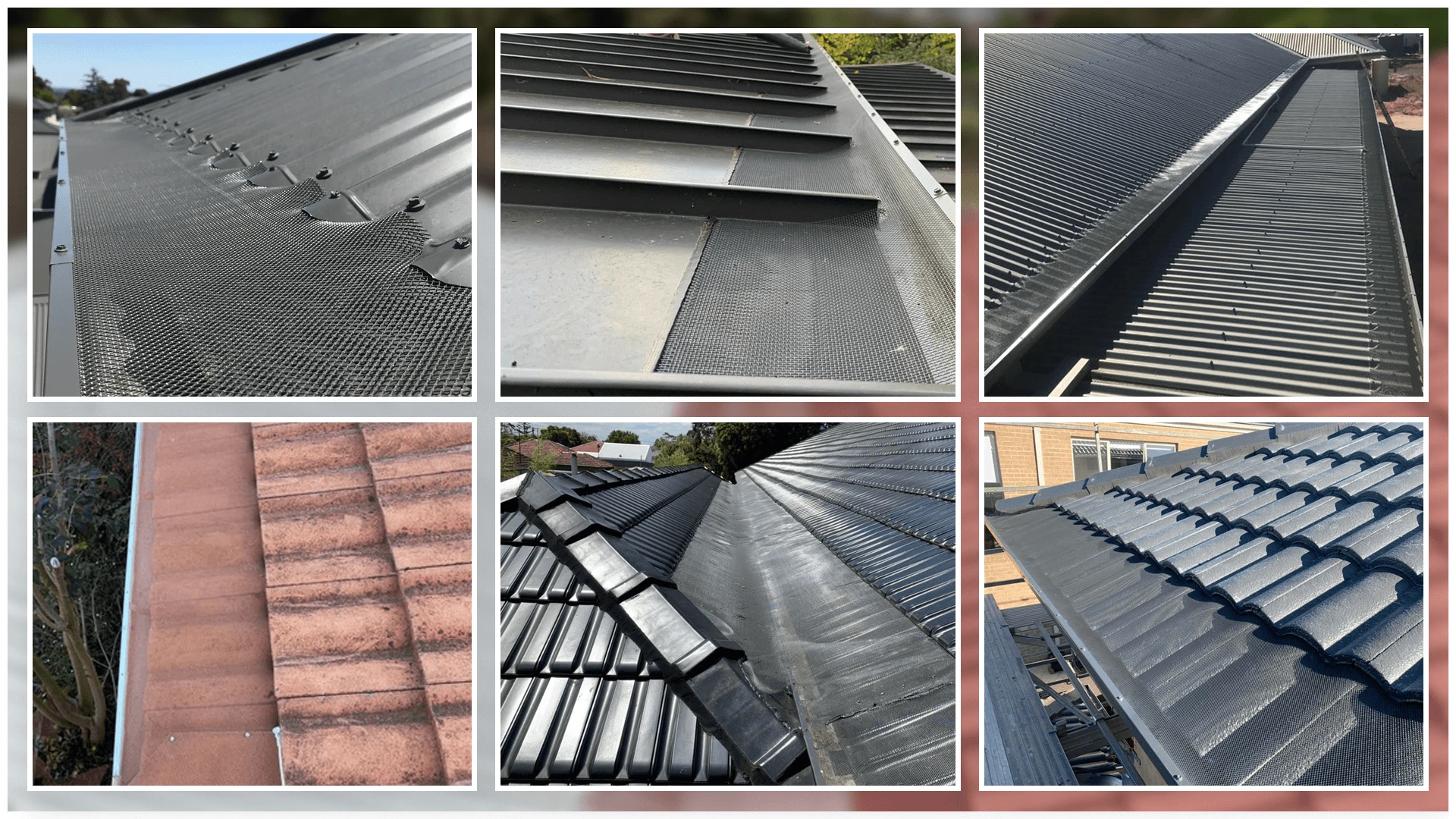
The truth is that roof compatibility matters a lot more than glossy promises. A leaf guard for tiled roof often needs a different installation approach than a leaf guard for metal roof. The wrong fit can create more frustration than the original blockage issue. The right fit looks tidy, respects how the roof sheds water, and works with the profile instead of fighting it.
CPR’s current site messaging leans heavily on broad roof compatibility and custom-fit installation across different roof types, including tiled and metal roofing. That is the kind of reassurance people actually need at this stage, much more than generic “works for every home” copy.
Here is the contrarian truth: the phrase best leaf guard Australia is often too broad to be useful. The best system is not the one with the loudest headline. It is the one that suits your roof profile, debris type, water flow, and maintenance expectations.
6. Your rainwater tank setup is only as clean as your gutters
If you collect rainwater, this decision gets more practical, more quickly.
People often think about tanks and filters but forget the first problem starts upstream. If your roof and gutters are feeding leaves, sludge, and nesting debris into the system, your tank is dealing with the consequences.
That is why leaf guard for rainwater tanks is not just about keeping gutters tidy. It is about improving what reaches the tank in the first place. CPR already talks about leaf guard and gutter cover setups in relation to rainwater harvesting and tank performance, which makes this a natural angle for homeowners using stored rainwater on their property.
This is especially worth thinking about before winter because that is when you want rainwater flow working properly, not dragging debris with it.
7. You are delaying the decision because you are unsure about cost
This is probably the most human sign on the list.
You suspect you need a solution. You are just not sure whether to spend the money now or wait until the problem becomes more obvious.
I get it. Most homeowners do not wake up excited to compare leaf guard cost Melbourne options.
But here is the mistake I see all the time: people judge the cost of leaf guard against doing nothing, instead of judging it against repeated cleans, nuisance overflows, pest issues, and the risk of water-related damage later. The comparison is rarely “guard versus nothing.” In real life, it is “guard versus ongoing hassle and avoidable repair risk.”
That does not mean every home should rush into an install. It does mean uncertainty about cost should push you toward a quote, not toward more guessing.
CPR currently offers free consultations and quote requests, which is exactly the right next step for homeowners stuck in that in-between stage.
E. Real examples
Example 1: The “we only get one bad overflow a year” house
A homeowner in outer Melbourne notices one corner gutter overflow near the pergola every winter. The rest of the year, it seems fine. They assume it is not urgent. Then a heavier run of rain exposes that the issue is not one corner. It is a slow-moving build-up of fine debris across the line. This is the classic house that needed leaf guard earlier than the owner realised.
Example 2: The tiled-roof home with birds under the edge
A family hears scratching above the ceiling and thinks they have a one-off bird issue. What they actually have is a roofline that has become easy to nest around because debris is building where it should not. In cases like this, leaf guard and bird proofing need to be thought about together, not as separate jobs.
Example 3: The rainwater-tank owner who focuses on filters only
A property owner invests in tank filtration but ignores what is happening on the roof. By winter, the gutters are still feeding leaf litter and roof muck into the system. The filter is working harder than it should because the real problem started earlier in the chain.
F. Conclusion
The homes that struggle most in winter usually gave fair warning in autumn.
Overflow.
Too much cleaning.
Gum leaves everywhere.
Bird activity.
Tank water concerns.
Roof-type hesitation.
Endless “I’ll deal with it later” thinking.
That is the pattern.
If two or three of those signs sound familiar, your home is probably already telling you a leaf guard is worth looking at before winter properly sets in. And if you are in Melbourne or wider Victoria, that timing matters more than people realise because the wetter part of the year is exactly when weak gutter systems get exposed.
If you are weighing up leaf guard Melbourne or leaf guard Victoria options, the smartest next step is simple: get your roofline looked at before the worst weather arrives. CPR Gutter Protection offers free consultations and quote requests, with current site messaging around Australian-made systems, broad roof compatibility, and local installation experience across Melbourne and regional Victoria.
Request a Free Quote
Or get in touch to talk through your roof type, debris issues, and whether leaf guard is the right fit for your home.
FAQs
1. Does leaf guard work on a tiled roof?
2. Does leaf guard work on a metal roof?
3. Is leaf guard worth it in Melbourne or Victoria?
4. Can leaf guard help with birds and pests?
5. Is leaf guard useful if I collect rainwater in a tank?
Social Share:
Related Posts
How Leaf Guards Help Protect Homes Near Large Gum Trees
Living near large gum trees is beautiful. You get shade. You get birds. You get that classic…
Gutter Protection in Melbourne: The Complete Guide to Gutter Guards, Leaf Guard Mesh, and Valley Protection (2026)
If you own a home in Melbourne, you already know how hard local weather can be on your roof…
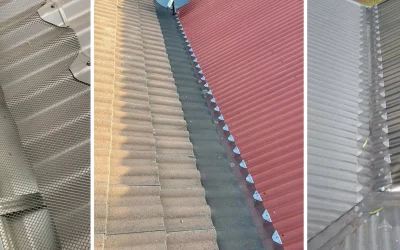
Leaf Gutter Guard Australia: Stop Blocked Gutters and Water Damage Before It Starts
Blocked gutters rarely look urgent. Then water overflows, walls stain, ceilings bubble…