
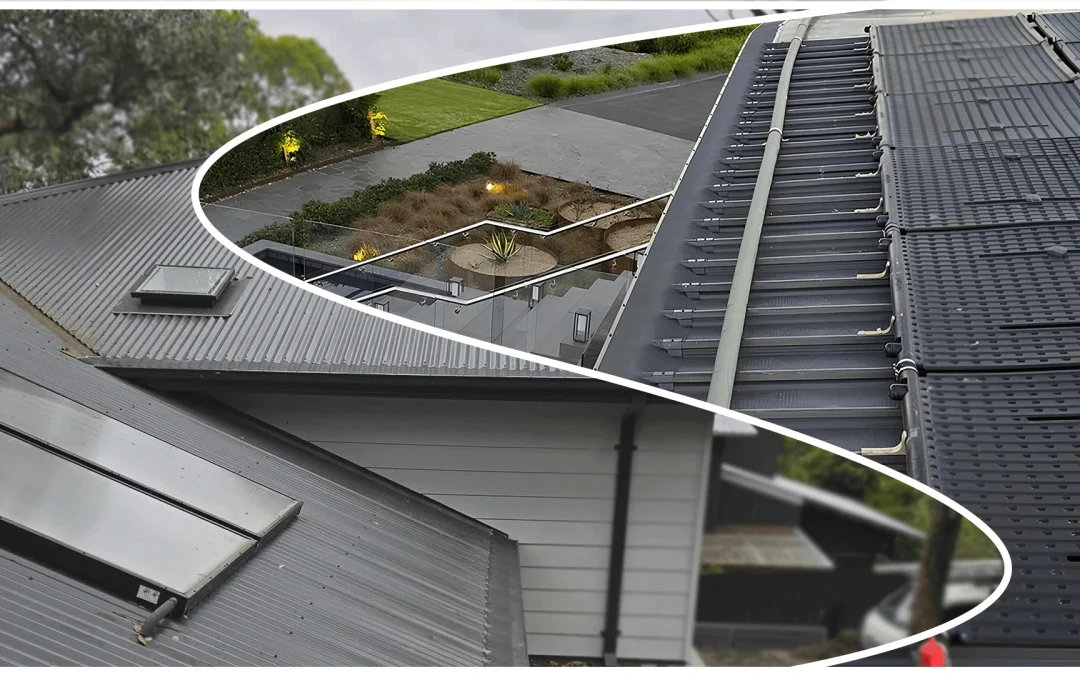

A lot of people assume once a gutter cover goes on, the problem is sorted for good. I get why. Nobody wants to think about gutters again after paying for them. But that is usually where the trouble starts. The cover is there, so you stop looking up. Then one day water spills over the front, leaves are packed into the corners, and birds are acting like your roof is public housing. A good system should reduce debris, support water flow, and cut down maintenance. If it is not doing that, it is not doing its job. CPR’s own site positions its gutter cover systems around keeping out leaves, improving water flow, and helping protect homes from water damage, fire threats, and roof pests.
Table of Contents
- Introduction
- Water Pours Over the Edge Every Time It Rains
- Leaves Keep Building Up on Top of the Gutter Cover
- You Still Find Muck Sitting Inside the Gutter
- Birds, Pests, or Creepy Crawlies Still Love Your Roofline
- The Gutter Looks Like It Is Sagging, Lifting, or Pulling Away
- You Are Seeing Stains on Fascia, Walls, or Eaves
- You Still Need Constant Cleaning and Constant Fixing
- What Usually Causes a Gutter Cover to Fail?
- What a Good Gutter Cover Should Actually Do
- Final Word
- FAQs
1. Water pours over the edge every time it rains
This is the big one. If it rains hard and water sheets over the front of the gutter instead of moving through the system, something is wrong. I have seen homeowners blame the weather, blame the roof pitch, blame the neighbour’s tree, blame everything except the obvious. Usually the gutter cover is clogged, sitting at the wrong angle, or has gaps that force water to track the wrong way. Blocked or badly performing gutters can push water into eaves, walls, and internal linings. Councils and emergency guidance across Australia keep repeating the same message for a reason. Gutters, downpipes, rainheads, and overflows need to stay clear and flowing properly.
2. Leaves keep building up on top of the Gutter Cover
A few bits and pieces after a windy day is normal. A thick mat of leaves that just sits there is not. That means the system is not shedding debris the way it should. This happens a lot with poor mesh choice, cheap installs, or covers that were never suited to the roof profile in the first place. CPR’s own guidance talks about choosing the right material, fit, and installation method for roof type and drainage conditions because a bad fit creates gaps, weak spots, and poor performance.
And here’s the frustrating part. People look up, see the leaves on top, and think, at least they are not in the gutter. Fair enough. But if that layer stays there, water flow drops, weight builds up, and in bushfire prone areas leaf litter becomes a bigger problem than most people realise. Victorian CFA says embers can land on debris in gutters and set fire to a house, and NSW RFS recommends cleaning gutters and installing metal gutter guards as part of home preparation.
3. You still find muck sitting inside the gutter
No system blocks every last speck. That part matters. CPR’s own content says leaf guard products reduce debris but do not stop every bit from entering, and they still need checking and cleaning from time to time. But if you lift a section or inspect the outlets and find sludge, leaf soup, seed pods, and dirt packed along the run, your current gutter protection setup is underperforming.
This is usually where homeowners get annoyed, and honestly I get it. The whole reason people buy a gutter cover is to stop spending their weekends on a ladder with wet mulch in a bucket. If the system still leaves you with regular cleanouts, it is not saving you time. It is just changing where the mess sits.
4. Birds, pests, or creepy crawlies still love your roofline
A working gutter guard should make your roof a lot less welcoming to birds and pests by closing off the easy ledges and debris-filled nesting spots. CPR’s site specifically promotes gutter guard mesh and related systems for bird proofing and pest reduction, and its guidance notes that leaves and built-up debris create the kind of shelter that attracts birds, rodents, and insects.
If you still hear scratching, see nesting material jammed into corners, or keep finding downpipes blocked with twigs and straw, your current gutter cover in Australia is leaving access points open. That is not a small issue. It means the system is not sealing the problem areas properly. And once birds settle in, the mess gets bad fast. It is noisy, filthy, and somehow always discovered right before guests show up.
5. The gutter looks like it is sagging, lifting, or pulling away
This sign gets missed all the time because most people do not stand back and really look at the gutter line. They look at the roof. The problem is often lower. If sections are sagging, lifting, rattling in wind, or pulling away from the fascia, that usually points to overloading, poor bracket support, or a system that has been holding debris and water for too long. The City of Gosnells specifically lists sagging gutters caused by overloading or faulty brackets as a cause of damp problems, and CPR’s own maintenance content notes that built-up debris can weigh gutters down and lead to sagging or detachment.
Once the line is off, water stops draining properly. Then more debris settles. Then the sag gets worse. It turns into one of those annoying little problems that quietly becomes an expensive one.
6. You are seeing stains on fascia, walls, or eaves
This one is easier to spot from the ground. Dirty streaks. Water marks. Peeling paint. Damp patches near eaves or brickwork. They are often the first visible clue that your gutter cover is not keeping water where it belongs. Australian guidance says gutter overflow can damage eaves linings, internal walls, and brickwork, especially when gutters and downpipes are blocked or not draining as they should.
People often leave this too long because the staining feels cosmetic at first. It is not. It is a warning. The water has already started taking the scenic route through parts of the house it should never be touching.
7. You still need constant cleaning and constant fixing
The odd inspection is normal. Annual checks are sensible. Even CPR’s own leaf guard guidance says you should still inspect and clean gutters from time to time. But if your so-called gutter cover installation still has you clearing corners every few weeks, unclogging downpipes after every storm, or calling someone back to refit loose sections, that system is not earning its keep.
That is usually the moment people admit what they already know. They did not buy protection. They bought a delay. A proper gutter cover should reduce maintenance, improve flow, and suit the roof and gutter setup. CPR’s site highlights Australian-made products, systems designed for Australian homes, compatibility with most roof types, and more than 20 years of experience working on Victorian homes. That kind of fit matters.
What usually causes a Gutter Cover to fail?
Most failures come back to a few simple problems.
The wrong product for the roof.
Poor fit.
Weak installation.
No thought given to water flow.
No follow-up checks once the system is in place.
That sounds basic because it is basic. Gutters are not complicated until someone installs the wrong thing and walks away. CPR’s own content repeatedly points to proper fit, roof compatibility, drainage planning, and secure installation as the difference between a system that works and one that becomes another roof problem.
What a good Gutter Cover should actually do
A solid gutter protection system should keep out most leaf litter, help water move cleanly through the gutter line, reduce pest access, and cut down the amount of manual cleaning you need to do. It should also suit the roof profile, stay secure, and not create new overflow problems in heavy rain. That is the baseline. Not the bonus. The baseline.
If your current setup is failing any of the seven signs above, stop pretending it is fine because it is still physically attached to the roof. That is a low bar. The job of a gutter cover is not to exist. The job is to work.
Final word
If your gutter cover is still letting leaves pile up, still overflowing in rain, still giving birds a nice place to move in, or still sending you back up the ladder, it is time to deal with it now.
Not next winter.
Not after the next storm.
Now.
For homeowners in Melbourne and across Victoria, CPR Gutter Protection positions itself around Australian-made systems, roof-specific fit, and long-life gutter guard solutions for leaves, birds, and water flow issues. If your current setup is not doing the job, get it checked and get the right fix before a small roofline problem turns into a much bigger one.
FAQs
1. How do I know if my Gutter Cover is failing?
2. Is it normal for some debris to sit on top of a Gutter Cover ?
3. Why does my gutter still overflow even with a Gutter Cover installed?
4. Do I still need to clean my gutters if I have a Gutter Cover ?
5. Can a failing Gutter Cover increase bushfire risk?
6. Will a better Gutter Cover help with birds and pests?
Social Share:
Related Posts
Gutter Cover + Rainwater Tanks: First-Flush & Filtration Setup that Works
If you’re looking to make the most of our Aussie rain—and keep your gutters clean…

Eco-Friendly Living: How Gutter Covers Contribute to Sustainable Practices
Every small change and effort count when it comes to your quest for a more sustainable…

Enhancing Curb Appeal: The Sleek Design of CPR Gutter Covers
Picture this: it’s Saturday morning, you’re ready for a sausage sizzle, and instead…