
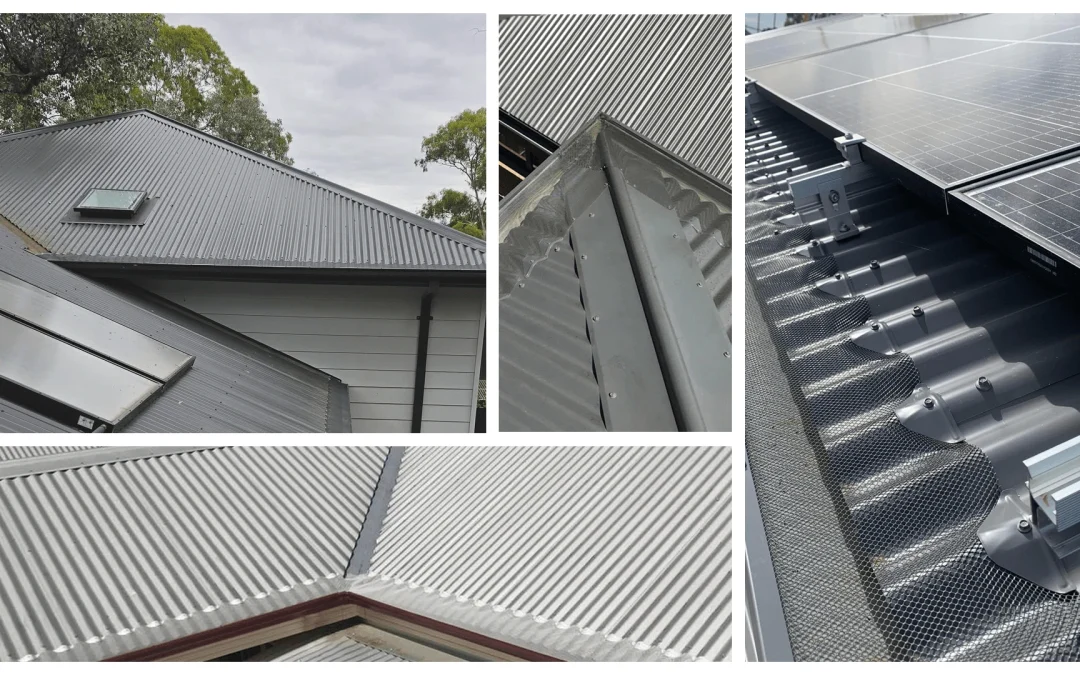

Gutter guard mesh installation changes depending on your roof type. A tile roof and a metal roof do not have the same edge, shape, fixing points, or water flow. That means the installer needs to use a different approach for each one.
If you want gutter protection that works properly, you need more than mesh sitting over the gutter. The mesh must suit your roof, follow the roof line, and stop leaves from getting under the guard.
Here is how the process changes between tile roofs and metal roofs.
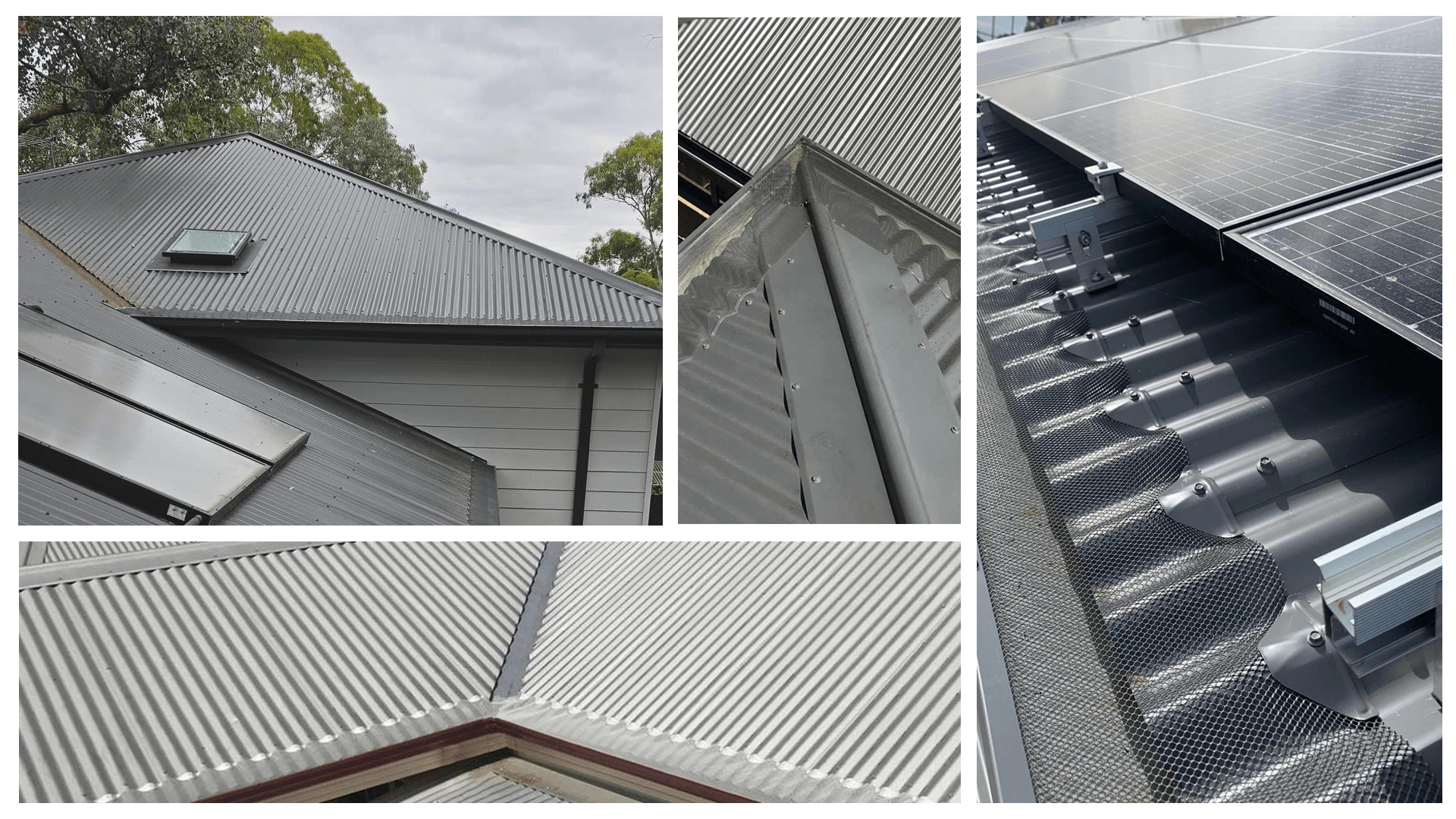
Table of Contents
- Introduction
- Why Your Roof Type Matters
- Gutter Guard Mesh Installation on Tile Roofs
- Key Challenges With Tile Roofs
- Gutter Guard Mesh Installation on Metal Roofs
- Key Challenges With Metal Roofs
- The Main Difference Between Tile and Metal Roof Installation
- What About Roof Valleys?
- Mesh Choice Also Matters
- Common Installation Mistakes
- Which Roof Is Easier for Gutter Guard Mesh Installation?
- What You Should Check Before Installation
- Final Thoughts
- FAQs
Why Your Roof Type Matters
Your roof decides how the gutter guard mesh is fixed.
Tile roofs have individual pieces that overlap. Metal roofs use sheets with ribs or corrugations. These differences affect how the mesh sits, where it gets secured, and how the installer closes gaps.
A good installation does three things.
- It lets rainwater enter the gutter.
- It blocks leaves, sticks, and roof debris.
- It stays secure in wind and heavy rain.
To get that result, the mesh needs to match the roof surface.
Gutter Guard Mesh Installation on Tile Roofs
Tile roofs need careful handling. Tiles can crack if they are lifted the wrong way or stepped on in the wrong spot. The installer needs to work slowly and keep the roof structure in mind.
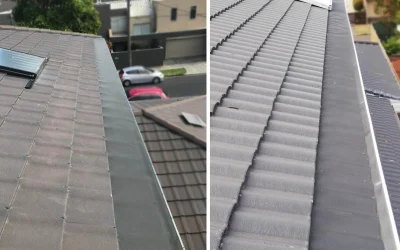
On most tile roofs, the mesh runs from the gutter edge up under the first row of tiles. This creates a clean barrier. Leaves slide over the mesh while water passes through into the gutter.
The tile edge also needs close attention. Because tiles overlap, small gaps often appear where the mesh meets the roof. These gaps need to be closed properly. If they stay open, birds, leaves, and pests can get under the guard.
Valleys also need extra care on tile roofs. Roof valleys collect more water and more debris than flat gutter runs. The mesh needs to sit neatly through these areas so water keeps moving into the gutter instead of spilling over the edge.
If your tile roof has broken or loose tiles, those issues need attention before the mesh goes in. Gutter guard mesh will not fix damaged tiles. It only protects the gutter once the roof edge is sound.
Key Challenges With Tile Roofs
Tile roofs take more time because each section needs care.
- Tiles need to be lifted without damage.
- The mesh needs to tuck under the tile edge.
- Gaps around tile shapes need to be closed.
- Valleys need a neat finish.
- Old or brittle tiles need careful movement.
This does not mean tile roofs are a problem. It means the installer needs the right method and enough attention to detail.
Gutter Guard Mesh Installation on Metal Roofs
Metal roofs are different. Instead of tiles, you have roof sheets. These sheets often have ribs, pans, or corrugations. The mesh needs to follow that profile.
On a metal roof, the mesh usually runs from the gutter edge to the roof sheet and gets fixed along the roof surface or under a trim. The fixing method depends on the roof profile and the gutter position.
The main goal is to stop gaps between the mesh and the metal sheet. If the mesh sits flat across raised ribs without proper shaping, debris can get in. The mesh must be formed to the roof shape so it sits tight.
Screws and trims matter on metal roofs. The installer needs to fix the mesh securely without damaging the roof sheet or causing water problems. Fixings must sit in the right spots, and the finish must keep water flowing down into the gutter.
Metal roofs also move with heat. The mesh and fixings need to handle that movement without lifting, sagging, or pulling loose.
Key Challenges With Metal Roofs
- Metal roof installation focuses on fit and secure fixing.
- The mesh needs to follow the sheet profile.
- Raised ribs need a close fit.
- Fixings must suit the roof material.
- The finish needs to handle heat movement.
- Gaps at corners, valleys, and ends need sealing.
- Metal roofs often allow a clean finish, but only when the mesh is shaped and fixed correctly.
The Main Difference Between Tile and Metal Roof Installation
The biggest difference is how the mesh connects to the roof.
On a tile roof, the mesh often sits under the first row of tiles. The installer works around the tile shape and overlap.
On a metal roof, the mesh follows the sheet profile and gets secured to the metal surface or trim.
Tile roofs need more careful lifting and gap control. Metal roofs need accurate shaping and secure fixing.
Both roof types need the same outcome. Water must flow into the gutter, and debris must stay out.
What About Roof Valleys?
Valleys are one of the most important parts of any gutter guard mesh installation.
A valley collects water from two roof sections. It also collects leaves, sticks, seed pods, and dirt. If the mesh is not fitted properly in this area, debris builds up fast.
On tile roofs, valleys often need careful mesh shaping around tile edges.
On metal roofs, valleys need a tight fit to the metal sheets and valley line.
A rushed valley installation leads to overflow and debris build up. A neat valley finish helps the whole gutter system work better.
Mesh Choice Also Matters
The roof type affects the installation, but the mesh quality still matters.
Good gutter guard mesh needs to suit your roof, gutter, and local debris. In Australia, many homes deal with gum leaves, pine needles, seed pods, and heavy rain. Fine mesh helps block smaller debris, while strong material helps the guard stay in place.
Colour also matters. Mesh that matches your roof or gutter gives a cleaner finish from the street.
For coastal areas, material choice becomes even more important because salt air can affect some metals faster.
Common Installation Mistakes
- Poor installation causes most gutter guard problems.
- The mesh gets cut too short.
- The edges are left open.
- The mesh does not follow the roof shape.
- Valleys are rushed.
- Fixings are spaced too far apart.
- Tiles are cracked during installation.
- The mesh blocks water instead of guiding it.
You avoid these problems when the installer treats the roof type as part of the job, not an afterthought.
Which Roof Is Easier for Gutter Guard Mesh Installation?
Metal roofs are often more straightforward because the roof sheets provide a clear fixing surface.
Tile roofs often take more time because the installer needs to lift tiles, manage overlaps, and close uneven gaps.
That said, ease does not decide quality. A well installed tile roof guard works well. A poorly installed metal roof guard fails. The method matters more than the roof type.
What You Should Check Before Installation
Before you book gutter guard mesh installation, look at your roof and gutters.
- Check for cracked tiles.
- Look for rust on metal sheets or gutters.
- See where leaves collect.
- Check valleys for heavy build up.
- Look for sagging gutters.
- Notice any pest activity near the roof edge.
These issues affect the installation. They also help the installer choose the right approach.
Final Thoughts
Tile roofs and metal roofs need different gutter guard mesh installation methods.
Tile roofs need careful lifting, clean tucking, and strong gap control. Metal roofs need accurate shaping, secure fixing, and a close fit to the sheet profile.
The right method keeps leaves out, lets water in, and gives your roof edge a clean finish.
For homes in Australia, this matters because gutters deal with heavy rain, dry leaves, pests, and seasonal debris. When the mesh suits the roof type, your gutter protection works as it should.
FAQs
1. Can gutter guard mesh be installed on both tile and metal roofs?
2. Does a tile roof take longer to install gutter guard mesh?
3. Is gutter guard mesh different for metal roofs?
4. Do valleys need gutter guard mesh?
5. Can gutter guard mesh stop all gutter cleaning?
Social Share:
Related Posts
Gutter Guard Mesh for Homes with Solar Panels: What to Know Before Installation
A normal roof is one thing. A roof with solar panels is another. Solar panels can create tighter…
Gutter Guard Mesh for High-Intensity Rain: Preventing Sheet-Flow Overshoot
When the rain hits hard, roof water can behave like a slick, fast-moving river. If that flow…
The Essential Role of Gutter Guard Mesh in Safeguarding Your Property
Gutter Guard Mesh is a screened cover fitted over your gutters (and often roof valleys) to keep…